Why Nutrition Is So Important for Older Adults
Good nutrition plays an important role in healthy ageing, helping older adults maintain strength, mobility, bone health, hydration, independence and overall wellbeing.

As we age, our nutritional needs change. While many older adults require fewer calories than they did in earlier years, their need for essential nutrients often remains the same or even increases. Good nutrition is one of the most powerful tools we have to maintain independence, prevent illness, support recovery, and improve overall quality of life. Older adults may need fewer calories but still require adequate protein, calcium, vitamins, minerals, and fluids to stay healthy and active.
Nutrition Supports Strength, Mobility and Independence
One of the most significant changes associated with ageing is the gradual loss of muscle mass and strength. Without adequate nutrition, particularly sufficient protein intake, older adults are at increased risk of frailty, falls, and reduced mobility.
Protein-rich foods such as lean meat, poultry, fish, eggs, dairy products, legumes, and nuts help maintain muscle strength and support physical function. Combined with regular physical activity, good nutrition can help older adults remain independent for longer and continue participating in activities they enjoy.
Nutrition Helps Prevent Malnutrition
Malnutrition is a common but often overlooked issue among older adults. Factors such as reduced appetite, illness, medication side effects, difficulty chewing or swallowing, social isolation, and limited access to food can all impact nutritional intake. Risk factors for malnutrition include poor appetite, chronic illness, weight loss, and difficulties with chewing and swallowing.
Even modest weight loss in an older person can increase the risk of:
- Falls and fractures
- Delayed wound healing
- Infections
- Fatigue and weakness
- Hospitalisation
- Reduced independence
Regular monitoring of weight, appetite, and dietary intake is important to identify concerns early and implement appropriate support. DANS In Home Care Registered Nurses can help you identify malnutrition risk and support early intervention.
Strong Bones Need Good Nutrition
Bone health becomes increasingly important with age. Calcium and vitamin D play essential roles in maintaining bone density and reducing the risk of osteoporosis and fractures.
Foods that support bone health include:
- Milk, yoghurt and cheese
- Calcium-fortified alternatives
- Tofu
- Sardines and salmon with edible bones
- Green leafy vegetables
Adequate vitamin D, obtained through safe sun exposure, food sources, and supplements when clinically indicated, helps the body effectively absorb calcium. Calcium and vitamin D are particularly important for maintaining bone health and reducing the risk of osteoporosis in older adults.
Nutrition Supports Brain Health and Wellbeing
The brain requires a constant supply of nutrients to function effectively. Research continues to highlight the relationship between good nutrition, cognitive health, energy levels, mood, and overall wellbeing.
Older adults who consume a balanced diet containing vegetables, fruit, wholegrains, healthy fats, and adequate protein are more likely to maintain cognitive function and general health. Nutritional assessment is also an important component of monitoring health changes in older people and supporting early intervention when concerns arise.
Hydration Matters Just as Much as Food
Dehydration is a common concern among older adults. As people age, their sense of thirst may decrease, meaning they may not recognise when their body needs fluid.
Dehydration can contribute to:
- Fatigue
- Confusion
- Falls
- Constipation
- Urinary tract infections
- Hospital admissions
Older adults should be encouraged to drink fluids regularly throughout the day, even when they do not feel thirsty. Water remains the best choice for most people, although milk, soups and other suitable fluids can also contribute to hydration.
Mealtime Is About More Than Nutrition
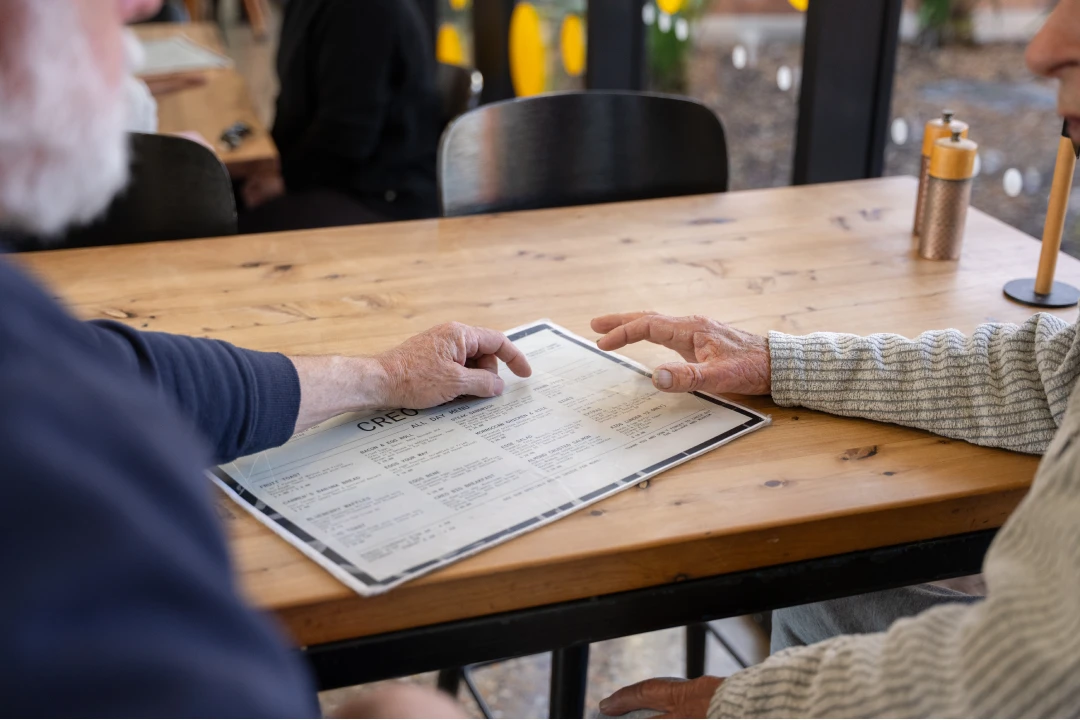
Food provides more than physical nourishment. Mealtimes are often meaningful social occasions that contribute to emotional wellbeing, connection, dignity, and enjoyment.
For many older adults, social isolation can negatively affect appetite and food intake. Enjoyable, person-centred mealtime experiences that respect cultural preferences, personal choices, and individual routines can significantly improve nutritional outcomes and quality of life. Food and dining experiences play an important role in quality of life, social inclusion, dignity, and wellbeing for older people.
Practical Tips for Healthy Ageing
A few simple strategies can make a significant difference:
- Include a source of protein at every meal.
- Eat a variety of colourful fruits and vegetables.
- Choose wholegrain breads and cereals.
- Drink fluids regularly throughout the day.
- Maintain regular meal routines.
- Seek support early if appetite decreases or weight changes occur.
- Discuss any chewing, swallowing, or nutrition concerns with a healthcare professional.
Final Thoughts
Nutrition is one of the foundations of healthy ageing. Good nutrition helps older adults maintain strength, independence, cognitive health, immune function, and overall quality of life. Small changes made consistently can have a significant impact on health outcomes and wellbeing, helping older adults continue to live safely, comfortably, and independently for as long as possible.
Every person has individual requirements, health conditions and needs. This advice does not replace a tailored treatment plan or advice from a nutrition professional. Always seek medical advice from your dietitian or GP prior to commencing any new supplements or diets.
Needing help managing your nutrition?
DANS In Home Care can support referrals and access to the following allied health providers:
- General Practitioners
- Dietitians
- Nutritionists
- Registered Nurses
DANS In Home Care can also assist you with meal preparation and shopping services.